Sign in with Google
No separate sign-up; free minutes every month.
120 free minutes every month
Upload Taiwanese Hokkien or mixed Hokkien–Mandarin audio. Azhu separates the speakers and writes a Mandarin transcript.
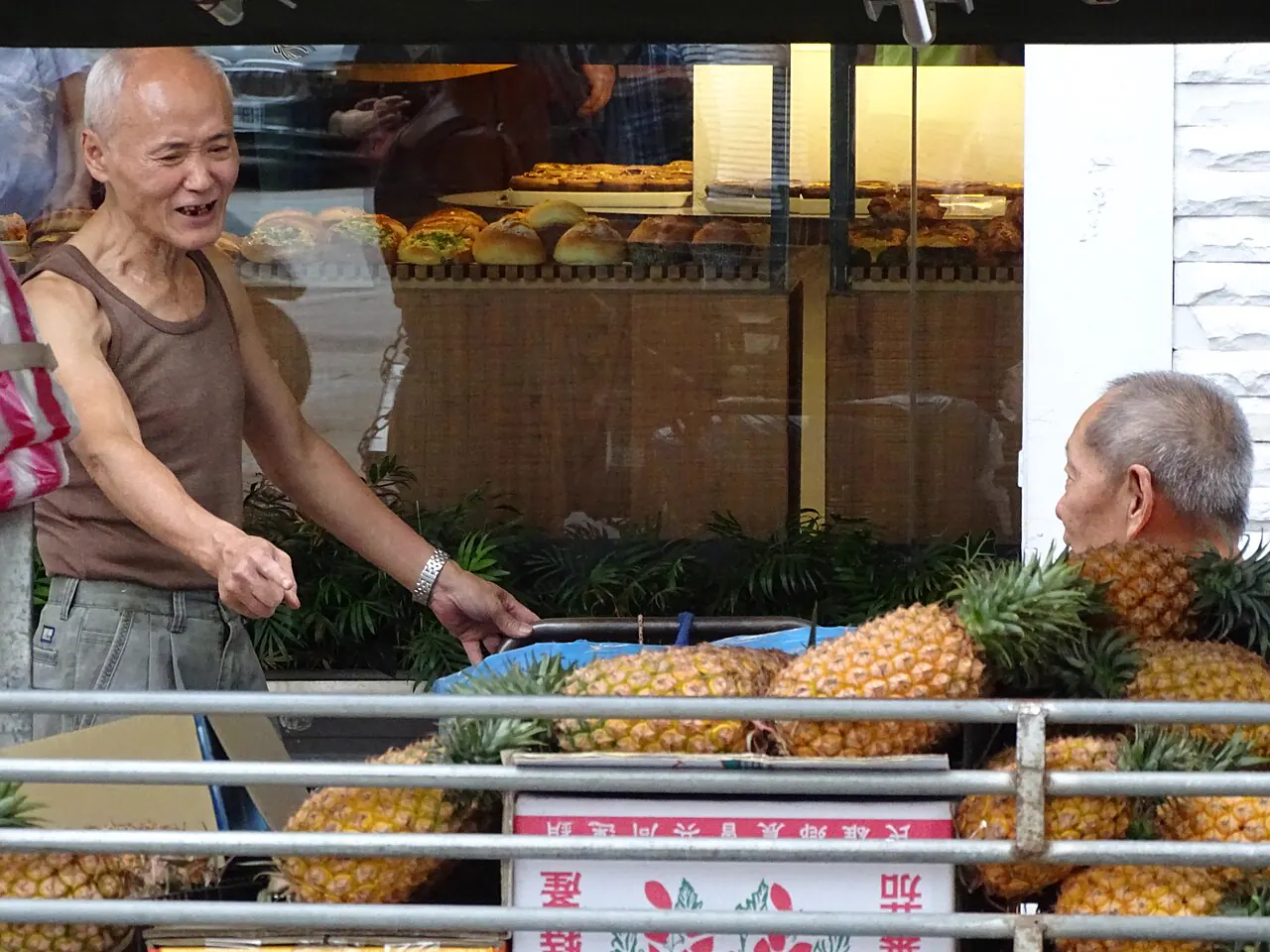
Elders' stories, field interviews, community meetings: upload Taiwanese Hokkien or mixed Hokkien–Mandarin audio or video. Azhu separates the speakers and writes the transcript in Mandarin, with a summary if you want one.
Hokkien is written out as Mandarin text, not romanization and not Hokkien characters, so anyone can read it, search it, quote it and turn it into a report.
The transcript gives the same meaning in Mandarin rather than a sound-by-sound record. If your work needs the original Hokkien wording or pronunciation, use the transcript as a draft and an index, and go back to the audio for the key passages.
Choose “Taiwanese Hokkien” when you upload. Use it when some people speak Hokkien and others Mandarin, or when one person switches back and forth; the output is still Mandarin text.
“Auto-detect” is meant for Mandarin, English and other languages. For recordings with Hokkien, choose “Taiwanese Hokkien” yourself.
Names of people and places, special terms, strong accents and uncommon expressions are the usual mistakes. List the attendees and terms before uploading and the transcript and summary follow your spelling.
Background noise, people talking over each other and distant microphones also cause errors. After transcription, click any line to listen and fix it.
No separate sign-up; free minutes every month.
From a computer or phone. Close the page once it's up.
An hour of audio usually takes minutes. Edit as you listen.
Not at the moment. Hokkien is only written out as Mandarin text.
Hakka isn't supported yet.
With a clear recording and people taking turns, most of it comes out right; accents, names and overlapping speech are where errors happen. Try one of your own recordings with the free minutes first. Every account gets free transcription minutes each month.
Speech recognition and AI summaries run on our own computers in Taiwan. Recordings and transcripts are never sent to outside AI services or used to train models.